Moss, Lichen and Ferns: The Small Plants That Rule the Forest Floor
Under the canopy the light is a fraction of what falls on the treetops, and the plants living there are specialists in scarcity. The forest floor ecosystem is small, damp, slow — and it holds much of a woodland's diversity.
Ferns: engineering for shade
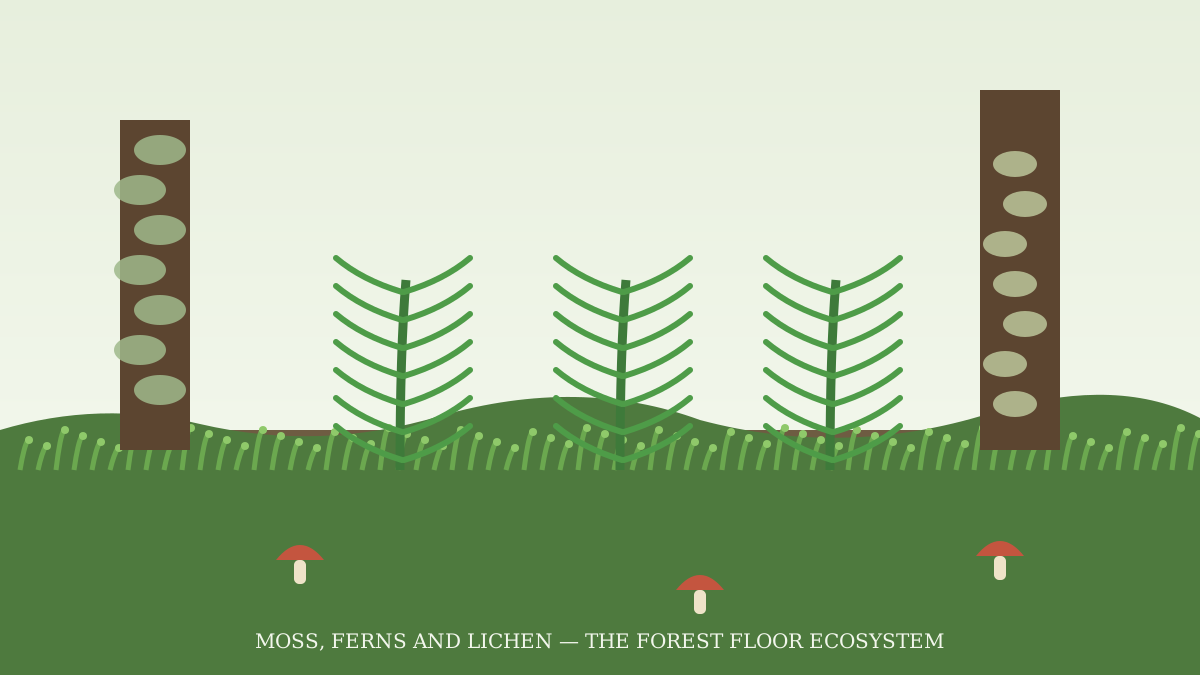
Ferns are ancient plants that solved shade long before flowers existed. Broad, finely divided fronds spread wide to catch scattered light, and reproduction runs through spores released from the undersides of the leaves rather than seeds. Where you find dense fern cover you are usually reading humidity: they mark ground that stays reliably damp.
Moss: the sponge layer
Mosses have no true roots and no internal plumbing, so they absorb water directly across their surfaces — and hold a remarkable amount of it. That makes moss a hydrological layer as much as a plant: it slows runoff, keeps soil from washing away, and creates the moist seedbeds where many tree seedlings actually germinate.
Lichens: two organisms, one body
A lichen is a fungus farming algae or cyanobacteria inside itself. The fungus supplies structure and moisture, the partner supplies sugars from photosynthesis, and together they colonize bark and bare rock where nothing else grows. Because many species absorb everything from the air, lichen diversity is used as a practical indicator of air quality.
Spring ephemerals: beating the canopy
In temperate woods a whole guild of small plants avoids the shade problem by outrunning it, flowering and setting seed in the weeks between the last frost and the closing of the leaves overhead. Miss those weeks and you miss half the flora of the forest floor.
Conclusion
Look down. The layer under your boots stores the water, feeds the invertebrates, seeds the next generation of trees and reports on the air — all in plants most visitors step over without noticing.
Frequently Asked Questions
How do plants survive in deep forest shade?
With broad, thin leaves that capture scattered light, slow growth, and life cycles timed to use the bright weeks before the canopy closes.
What is a lichen?
Not a single organism but a partnership: a fungus housing algae or cyanobacteria that photosynthesize. Many are highly sensitive to air pollution.
Why is moss important in a forest?
Moss holds large amounts of water, protects soil from erosion, provides seedbeds for tree seedlings and shelters a vast community of tiny invertebrates.
Sources & Further Reading
Last updated: 6 August 2026